

Morgan Hancock
M.Ost, BAppSci (Human Biology & Physiology), BSc, PGCert (Western Medical Acupuncture)
Part 1 of this series explored the physical and mechanical effects of text neck. In this article we shift the focus to the behavioural and social forces that shape these postures in the first place.
The way we use technology—the habits we fall into, the pressures we respond to, and the environments we work and learn in—plays a major role in how this condition develops.
Understanding these patterns helps explain why text neck has become so widespread and why prevention requires more than correcting physical posture alone.
Technology Use as a Behavioural Habit
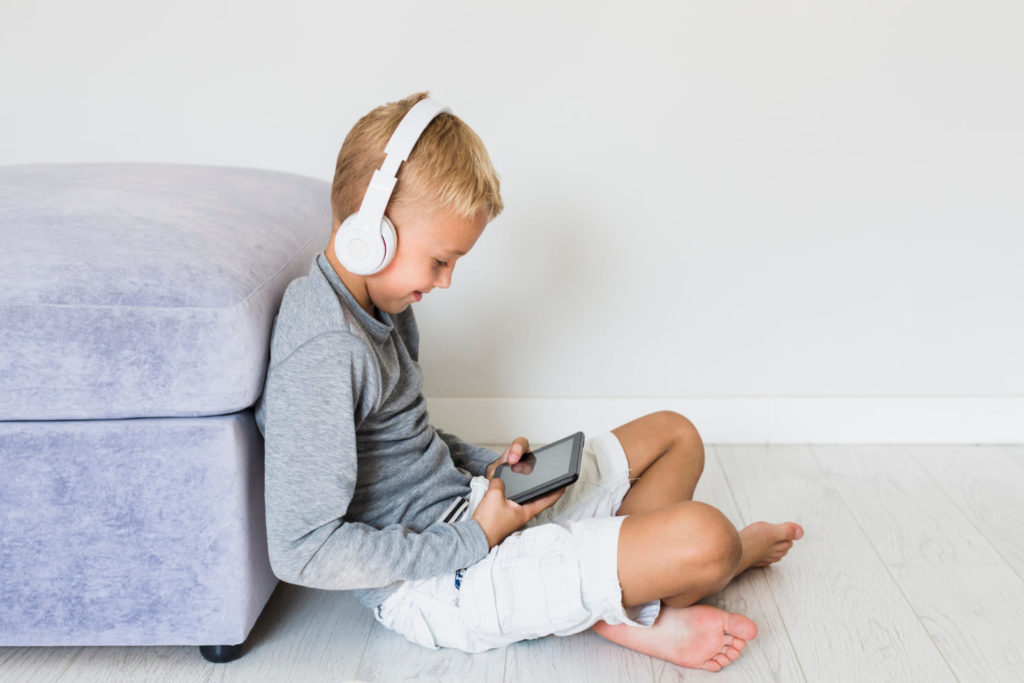
Smartphones and tablets are designed to draw us in. Notifications, infinite-scroll feeds, and quick bursts of social feedback encourage repeated checking, often without conscious thought. These behaviours, once formed, slip easily into routine.
Extensive research into these engagement loops shows they activate reward pathways involved in habit formation, and in many individuals contribute to problematic or compulsive smartphone use.
Problematic smartphone use (PSU) is a term that refers to the excessive use of the smartphone or smartphone addiction in daily life, and while not yet a formally recognized mental disorder, it is classified as a type of non-chemical behavioural addiction.[1]
Problematic smartphone use is classified as a type of non-chemical behavioural addiction
Over time, the expectation of “something new” on a device becomes a powerful prompt, especially for younger users. When a specific behavioural process is consistently rewarded, individual goal-seeking behaviors automatically trigger expectations for subsequent rewards.
These automatically triggered behaviors can lead to the formation of habits, and in extreme cases, become an addiction.
In adolescents, these behavioural patterns are strongly associated with poorer sleep which in turn makes device use even more appealing as a distraction.[1,2]
Sleep Loss
Electronic device use can disrupt sleep partly through exposure to short-wavelength (blue) light, which suppresses melatonin secretion and delays sleep initiation.[3,4]
The issue becomes greater with handheld devices, such as phones, which may exert a stronger effect due to their proximity to the eyes, increasing the effective intensity of light exposure.
In addition, the portability of these devices allows for use in the bedroom and during the period immediately preceding sleep, when melatonin release plays a critical role in sleep onset.[5]
Greater overall screen exposure is associated with shorter sleep duration
Studies have shown that greater overall screen exposure is associated with shorter sleep duration in children and adolescents, with effects observed both during daytime use and in the hours preceding sleep.

Increasing hours of screen use are associated with a progressive reduction in total sleep duration, regardless of the type of electronic activity.
While the magnitude of effect varies slightly between activities, a consistent downward trend is evident as screen exposure exceeds two to three hours per day.
RELATED — Why we sleep: The role of sleep in our healthy life
Among adults, this becomes part of the broader pressure to stay connected—responding to messages quickly, checking in with work outside office hours, and keeping multiple communication channels open.
Behavioural loops matter because posture follows behaviour
The more often people check their screens, the more frequently they adopt forward head posture. And because these habits are subtle and repetitive, the physical strain accumulates long before symptoms appear.
Compulsive Screen Use and Mental Health
Compulsive or high-frequency screen use does more than occupy time and disrupt sleep. It also influences
- mood
- attention
- stress levels
Higher overall device use has been associated with increased depressive symptoms & anxiety particularly in younger users.[6]
RELATED — Depression Signs and Symptoms: Stop the downward spiral in time (Part 1)

Emotional responses to social media, late-night screen habits, and the constant availability expected in many workplaces all contribute to this cycle.
These psychological pressures have biomechanical consequences. Poor sleep reduces resilience to pain and slows recovery, while anxiety increases muscular tension, particularly around the neck and shoulders. Tech neck therefore develops at the intersection of physical, behavioural, and emotional factors.
RELATED — Introduction to Anxiety: Know what you are dealing with (Part 1)
Addressing posture, device height, and workstation setup does not resolve every contributing influence, but these practical, modifiable factors represent an important starting point for reducing cumulative strain and interrupting the cycle of discomfort.
Preventative Measures and Ergonomic Strategies
Preventing tech neck is far easier than treating it later, and it starts with small, sustainable changes in how we hold and position devices.
Raising a phone or tablet even slightly reduces the angle of neck flexion and the load on the cervical spine. Supportive strategies—such as resting the arms on a pillow when sitting or using a simple stand—can lift a device enough to reduce strain without requiring rigid “perfect posture.
Breaks are equally important. Static positions, even comfortable ones, fatigue the small stabilising muscles of the neck, shoulder and arm as shown in the chart below.

Short, regular pauses restore blood flow to these tissues and help reset posture. Micro-break interventions have been shown to reduce neck and shoulder discomfort without decreasing productivity and the 20-20-20 guideline (every 20 minutes, look 20 feet away for 20 seconds), which was developed for reducing eye strain, works just as well for posture.[7,8]
Ergonomic setups can make long hours of screen time less taxing. Most modern office environments account for this, but simple adjustments such as using an external keyboard together with raising a laptop to eye height can reduce hunching.
These changes can make a noticeable difference for people working in hot-desk or home environments.
The rise in home-based work highlighted this clearly: people working on couches, bed or dining tables on laptops, reported significantly more neck and upper-back symptoms than those with basic ergonomic equipment.[9]
Wearable posture devices or movement reminders have also become useful tools. Although they don’t correct posture themselves, they prompt users to notice when their head drifts forward, helping re-establish healthier patterns over time.
Practical applications
• Raise devices using pillows, arm support, or lightweight stands
• Build in regular micro-breaks or use the 20-20-20 rule
• Use external keyboards and elevated screens to reduce hunching
• Consider posture-feedback devices for awareness cues
Therapeutic and Rehabilitative Approaches
Once symptoms develop, targeted rehabilitation can help restore comfort and function. Exercise-based approaches are widely supported in the research literature.
Strengthening deep cervical stabilisers, opening the thoracic spine, and improving scapular control all contribute to better posture and reduced strain.[10]
These exercises work best when practiced consistently, as they retrain both muscle endurance and postural awareness.
Manual therapy can complement exercise by
- reducing stiffness
- easing muscular tension
- improving neck mobility
Techniques such as gentle mobilisation, soft-tissue release, or muscle-energy work are commonly used in osteopathic and physiotherapy settings and often provide short-term relief that allows patients to move more easily into corrective exercise.
Yoga and Pilates add another helpful dimension. Randomised controlled trials show that yoga-based programs reduce chronic neck pain and improve function, while Pilates has been shown to improve pain and postural control in mechanical neck pain.[11,12]

For individuals who have developed more noticeable structural changes in the neck—such as losing the cervical lordosis—short daily use of a cervical extension orthotic can help encourage the neck back toward a more natural shape.
Research shows these devices may reduce nerve-related symptoms and improve comfort when used correctly under professional guidance.[13]
Key strategies for recovery
- Practice daily corrective exercises focused on cervical and thoracic mechanics
- Use of exercise such as Yoga or Pilates for body awareness and postural control
- Incorporate manual therapy for symptom relief and mobility
Tech neck isn’t caused by one movement or one bad habit. It develops from thousands of small choices made daily, shaped by our devices, routines, and the pressures of modern life.
The physical changes and the behavioural patterns caused, show how deeply technology intertwines with our bodies and minds.
The good news is that these patterns are not fixed. By understanding how tech neck develops, recognising its early signs, and adopting simple, sustainable changes in posture, device use, movement, and awareness, most people can restore comfort and prevent symptoms from worsening.
As our relationship with digital technology continues to evolve, so too must our approach to caring for the necks and spines that carry us through it.
References
(1) Yang J, Fu X, Liao X, et al. Association of problematic smartphone use with poor sleep quality, depression, and anxiety: A systematic review and meta-analysis. Psychiatry Research. https://pubmed.ncbi.nlm.nih.gov/31757638/
(2) Sohn SY, Rees P, Wildridge B, Kalk NJ, Carter B. Prevalence of problematic smartphone use and associated mental health outcomes among children and young people: A systematic review and meta-analysis. BMC Psychiatry. 2019;19:356. doi:10.1186/s12888-019-2350-x
(3) Hale L, Guan S. Screen time and sleep among school-aged children and adolescents: A systematic literature review. Sleep Medicine Reviews. 2015;21:50–58. doi:10.1016/j.smrv.2014.07.007
(4) Twenge JM, Hisler G, Krizan Z. Associations between screen time and sleep duration in U.S. children and adolescents: A prospective cohort study. Sleep. 2019;42(12):zsz276. doi:10.1093/sleep/zsz276
(5) Hysing, M.; Pallesen, S.; Stormark, K. M.; Jakobsen, R.; Lundervold, A. J.; Sivertsen, B. . (2015). Sleep and use of electronic devices in adolescence: results from a large population-based study. BMJ Open, 5(1). https://bmjopen.bmj.com/content/5/1/e006748
(6) Xu Jue, Duan Hanmin, Qin Kang, Liu Bing. Association between screen time and depressive and anxiety symptoms among Chinese adolescents. Frontiers in Psychiatry.2025;16. doi:10.3389/fpsyt.2025.1428885
(7) Nakphet N, Chaikumarn M, Janwantanakul P. Effect of different types of rest-break interventions on neck and shoulder muscle activity, perceived discomfort and productivity in symptomatic VDU operators. Work. 2014;49(4):597–605. doi:10.1080/10803548.2014.11077048
(8) Sheppard AL, Wolffsohn JS. Digital eye strain: prevalence, measurement and amelioration. BMJ Open Ophthalmology. 2018;3:e000146. https://bmjophth.bmj.com/content/3/1/e000146
(9) Narainsamy M, Rashe A, Kisten Y, et al. Association between working from home, prevalence of musculoskeletal pain and sedentary behaviour: A rapid review. International Journal of Environmental Research and Public Health. 2025;22(1):79. doi:10.3390/ijerph22010079
(10) Ylinen J. Physical exercises and functional rehabilitation for the management of chronic neck pain. Eura Medicophys. 2007;43(1):119–132. (No DOI issued)
(11) Cramer H, Lauche R, Hohmann C, et al. Randomized-controlled trial comparing yoga and home-based exercise for chronic neck pain. Clinical Journal of Pain. 2013;29(3):216–223. doi:10.1097/AJP.0b013e318251026c
(12) de Araujo Cazotti L, Jones A, Zangger P, et al. Effectiveness of the Pilates Method in the treatment of chronic mechanical neck pain: A randomized controlled trial. Archives of Physical Medicine and Rehabilitation. 2018;99(9):1740–1746.e1. doi:10.1016/j.apmr.2018.03.015
(13) Moustafa IM, Diab AA, Harrison DE. Does improvement towards a normal cervical sagittal configuration aid in the management of cervical spondylotic radiculopathy? Journal of Back and Musculoskeletal Rehabilitation. 2016;29(4):775–786. doi:10.3233/BMR-160688